Off-grid living needs a dependable and self-sufficient power source. A solar-powered generator provides a practical option to generate and store electricity without relying on the power grid. However, an appropriate configuration affects whether the system operates effectively and safely. You must select the right generator size, match it with compatible solar panels, and calculate daily energy needs accurately. Poor planning might result in frequent battery drain or inadequate power for important gadgets. This article will show you how to plan, install, and tune your solar generator system for reliable off-grid operation and long-term performance.

What Do You Need Before Setting Up an Off-Grid Solar Generator?
Choose the Right Solar Generator and Battery Capacity
Determine how many watt-hours of energy you use each day to get started. Multiply the wattage of each appliance by the number of hours you intend to use it each day. The necessary battery capacity is calculated by adding the totals. Select a solar-powered generator with a safety margin and enough storage to last at least one full day. Take extensible battery modules into consideration for increased autonomy. Verify that the inverter’s output can handle your maximum combined load. Making the right size choice lowers battery stress and avoids overload. Reliability of off-grid systems is based on accurate capacity planning.
Select Compatible Solar Panels and Mounting Options
The maximum power and input voltage of the generator must be matched by the solar panels. Prior to purchasing panels, thoroughly review the manufacturer’s specs. Reliability is increased, and charging time is decreased with higher wattage panels. Select mounting choices according to your structure and location. While ground installations provide easier maintenance and angle adjustments, roof-mounted systems conserve ground area. Although they offer flexibility, portable panels might need to be moved every day. Panels that are mounted securely are shielded from wind and movement. Safe power transfer and year-round solar harvesting efficiency are ensured by proper compatibility and installation.
Plan Your Energy Loads and Daily Power Consumption
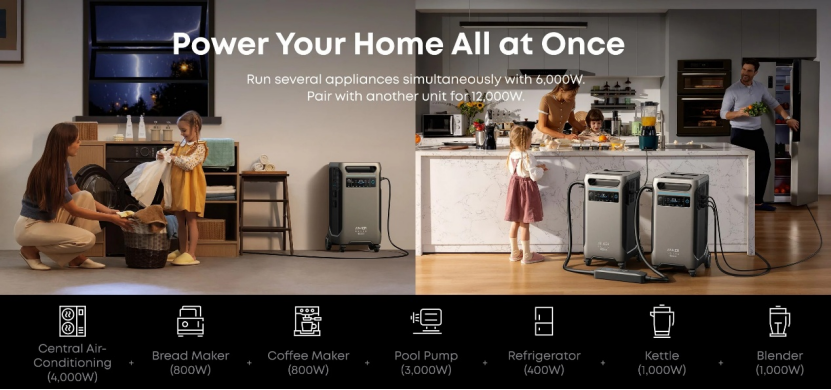
Off-grid solutions need rigorous energy management. Identify critical loads, including refrigeration, lighting, communication equipment, and water pumps. Separate optional appliances with increased power. Schedule heavy energy consumption during peak solar hours, when panels generate the most electricity. Monitor usage using the generator’s display to measure real-time output and battery level. Running numerous high-demand appliances at the same time is not recommended unless your inverter can handle the load. Planning daily usage decreases battery depletion and improves system stability. Clear load prioritisation guarantees that your solar-powered generator provides constant off-grid life with few disruptions.
How to Install and Connect Your Solar Generator System
Position and Wire Solar Panels for Maximum Sun Exposure
Place solar panels for your solar generator in an area that receives unobstructed sunlight for most of the day. Avoid shadowing from trees, buildings, or other surrounding structures. To collect the most sunshine, adjust the panel tilt according to your geographic latitude. In many areas, a steeper slope enhances winter performance. Connect the panels to the solar generator with appropriate wires and tighten the connections. To avoid wiring problems, follow the polarity requirements. Use weather-resistant cables for exterior installations. Proper location and tight wiring increase energy output while protecting your solar generator system components from environmental harm.
Connect the Generator, Charge Controller, and Battery Safely
Many solar-powered generators include built-in charge controllers that manage the incoming solar energy. If your system includes external components, connect the charge controller between the panels and the battery per the manufacturer’s recommendations. Always turn off equipment before making connections. Before adding cords, confirm the right voltage and polarity. Secure the terminals firmly to avoid loose contacts. Improper wiring may harm devices and limit efficiency. After connecting, check the display to ensure that the solar input registers accurately. Safe and precise connections provide consistent charging and extend battery life during normal use.
Set Up AC and DC Outputs for Home Appliances
Once the charge is stable, set the output ports for the appliances. Refrigerators, computers, and small tools should be plugged into an alternating current outlet. Connect DC outputs to appropriate lighting or 12V systems. When powering many appliances, keep the inverter’s rated output under control. Turn on gadgets gradually to avoid a sudden surge overload. If you’re integrating with a house distribution panel, consult a competent electrician to ensure you’re following local electrical codes. A proper output arrangement ensures safe and efficient operation. Balanced load control guarantees that your off-grid solar-powered generator provides dependable electricity for daily use.
Conclusion
The installation of a solar-powered generator for off-grid living demands careful planning and perfect execution of the installation process. It is important to select solar panels that are compatible with the battery capacity, as well as to follow safe wiring procedures. Panels should be positioned to get the most amount of sunlight, and energy loads should be managed properly. Maintaining efficiency and protecting the health of the battery requires constant monitoring of the system’s performance. Reliable and environmentally friendly electricity may be obtained from a solar generator for independent living beyond the grid if it is properly installed and used in a disciplined manner.